

With growing demand for parking on campus, the Technical University of Denmark (DTU) wanted to make better use of its existing parking capacity rather than create additional spaces.
Sensade installed 730 parking sensors across the campus, giving DTU continuous data on how its parking areas are used. The data is also integrated into the DTU Campus App, where students, staff and visitors can see parking availability before arriving.
The challenge
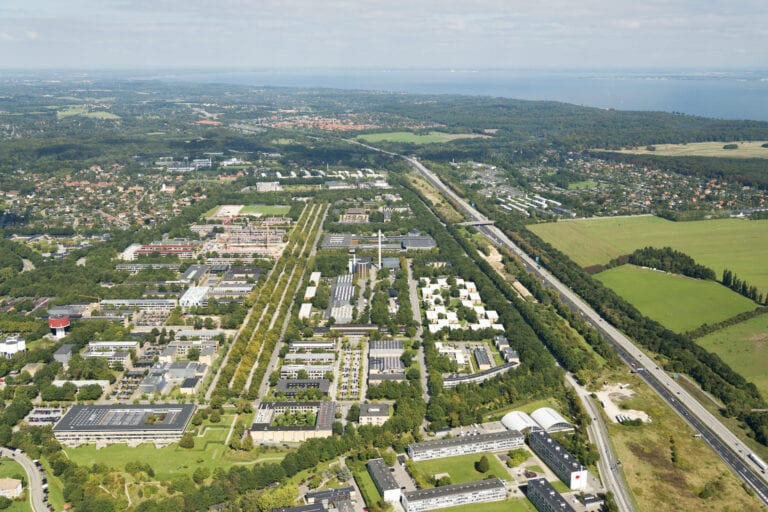
DTU has a large campus with parking areas used by students, staff and visitors throughout the day. However, without continuous occupancy data, the university had limited insight into how the individual parking areas were being used.
This made it difficult to determine whether additional parking capacity was actually needed or whether existing spaces could be used more efficiently.
Creating additional parking would require more physical space on a campus characterised by established green areas and mature trees. Rather than automatically expanding its parking infrastructure, DTU wanted to understand whether the existing capacity could be used more efficiently.
The university therefore needed a solution that could provide reliable parking data, improve the experience for drivers and support its broader ambition to develop the campus in a more sustainable way.
The solution
Sensade installed 730 wireless parking sensors across DTU’s parking areas. The sensors continuously register whether individual spaces are available or occupied, generating approximately 29,000 data points every day.
The installation was completed in a single day and required minimal changes to the existing parking areas.
Parking data is collected in Sensade’s platform, giving DTU an ongoing overview of occupancy across the campus and allowing parking patterns to be analysed over time.
Improving the parking experience
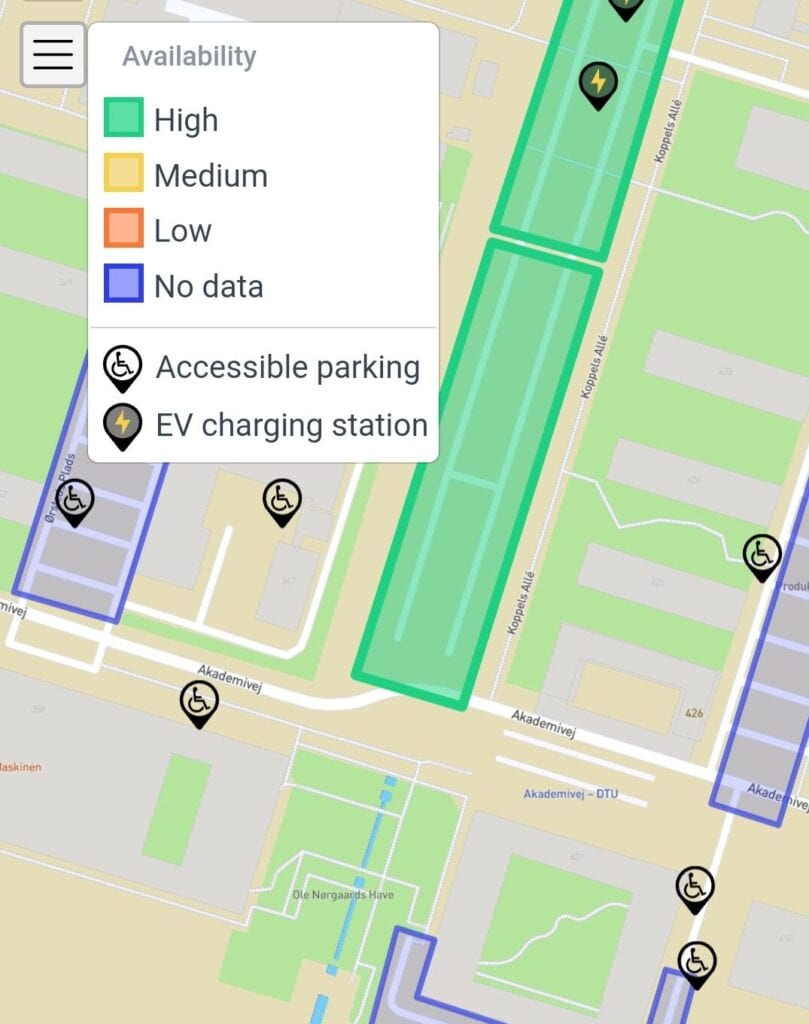
Parking availability is integrated directly into the existing DTU Campus App, allowing students, staff and visitors to see where parking is available across the campus.
The app also shows accessible parking spaces and EV charging points, giving drivers an overview of different parking options before they arrive.
By making current parking availability easily accessible, the solution helps drivers identify where they are most likely to find a space instead of searching across multiple parking areas.
Better data for parking planning
In addition to providing information to drivers, the sensor network gives DTU continuous data on how its parking infrastructure is used.
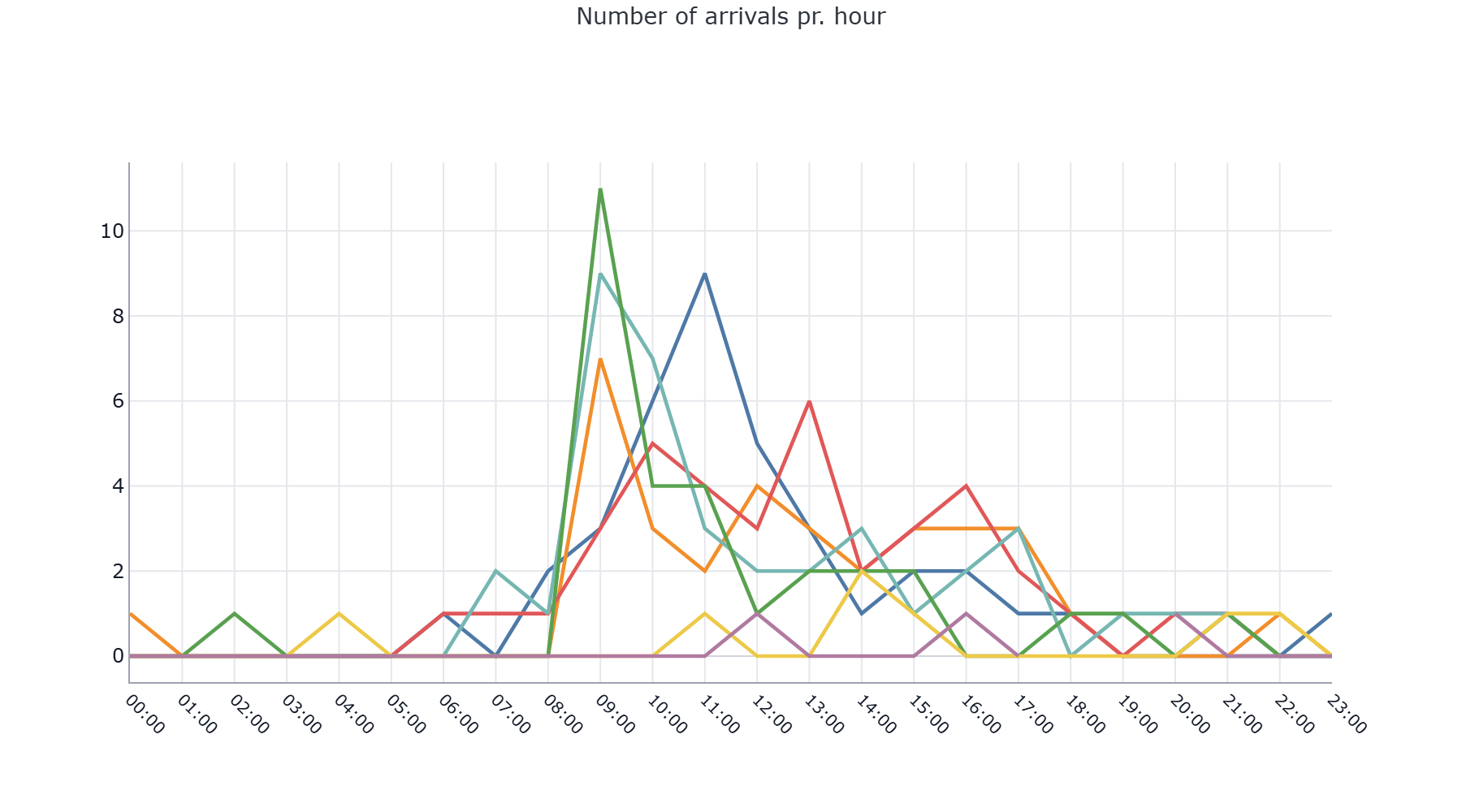
Through Sensade’s dashboard, DTU can analyse occupancy and parking patterns across different areas and periods. This provides a better basis for assessing capacity, identifying areas with high or low utilisation and planning future changes to the campus parking infrastructure.
Instead of relying on individual observations or assumptions, DTU can base parking decisions on data collected continuously across the campus.
Preserving green areas
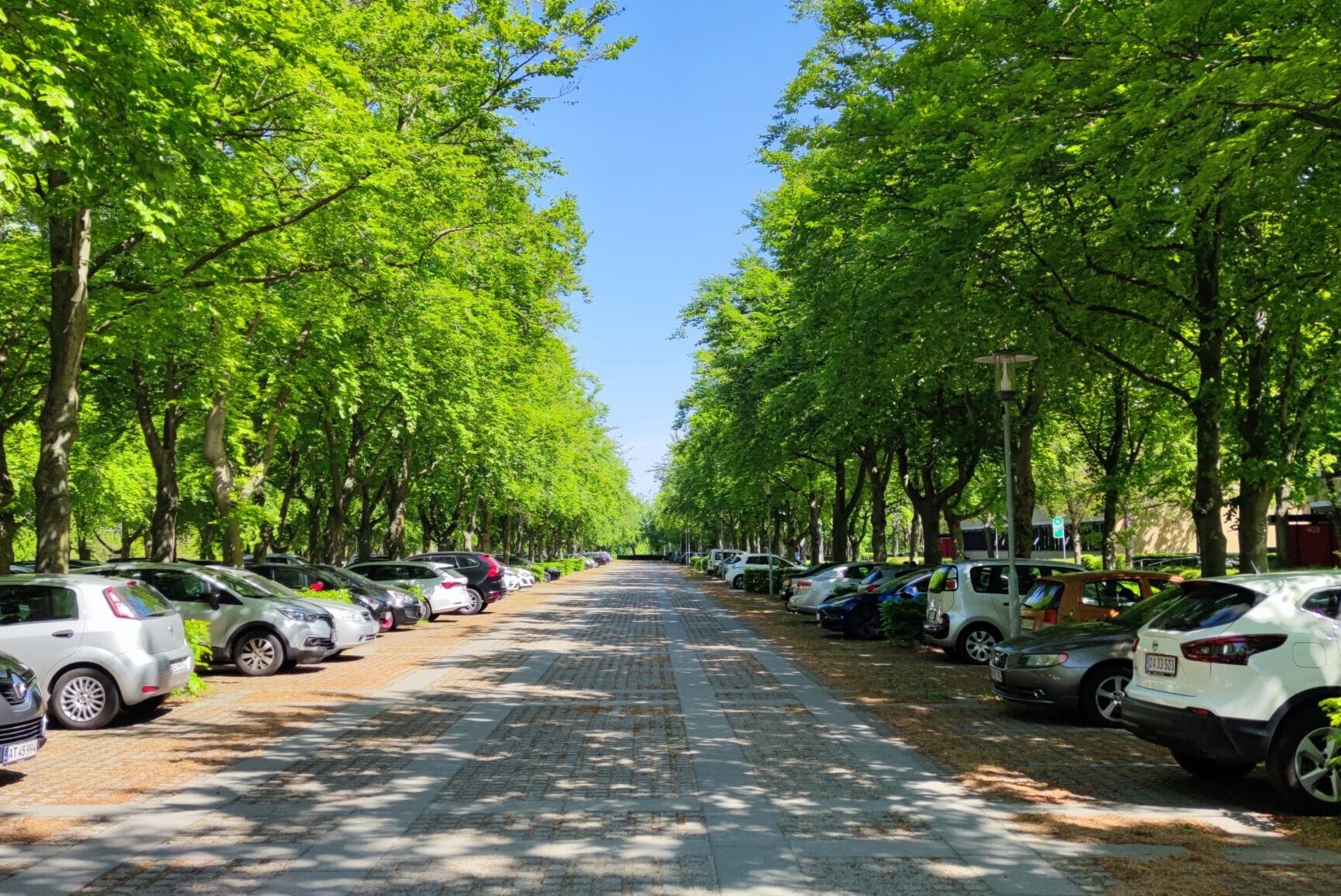
DTU wanted to improve its parking infrastructure without expanding parking areas at the expense of the campus environment. With established green spaces and mature trees across the campus, making better use of existing parking capacity was an important part of the approach.
By installing sensors within the existing parking infrastructure, DTU gained the data needed to better understand and manage its parking capacity without creating additional parking areas. The solution supports the university’s broader sustainability ambitions by helping make better use of the infrastructure already in place.
The results
- Real-time parking availability in the DTU Campus App
- Overview of accessible parking and EV charging points
- Continuous data for parking and infrastructure planning
- Better use of existing parking capacity
- Green areas preserved by avoiding unnecessary expansion