

Baden-Württemberg has around 100 designated carpool sites, which make it easier for commuters to share journeys across the region. However, without reliable occupancy data, neither the Ministry of Transport nor commuters had an accurate picture of parking availability at the individual sites.
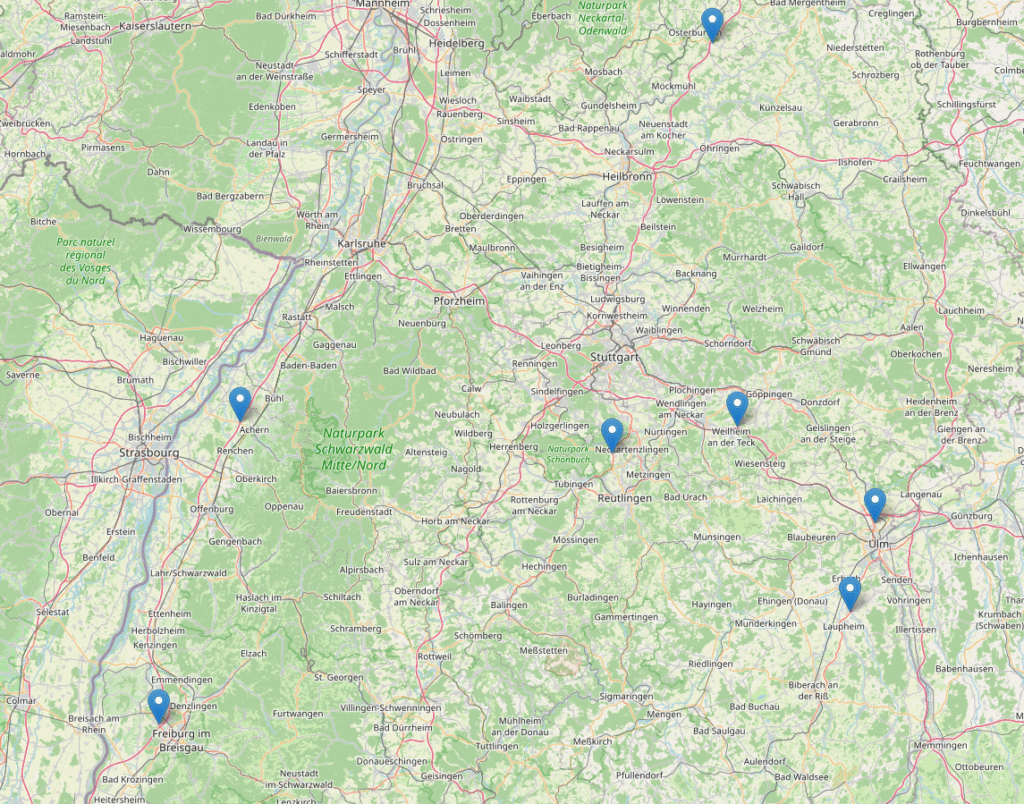
The project therefore set out to provide reliable parking data from seven carpool sites and make information on available spaces accessible through existing digital platforms.
The challenge
The Ministry of Transport Baden-Württemberg wanted a reliable way to monitor parking occupancy at carpool sites and make the data available to commuters through existing digital platforms.
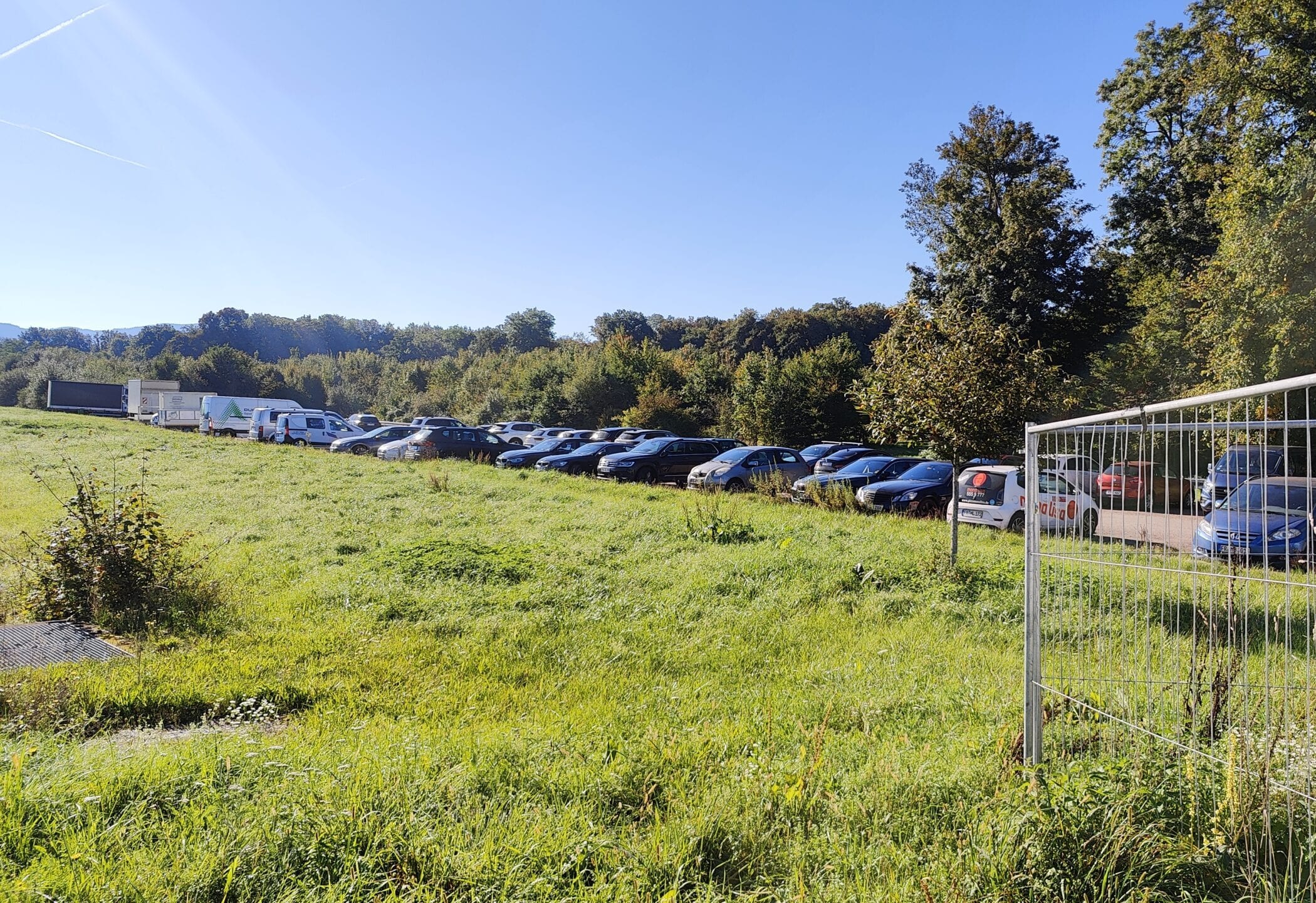
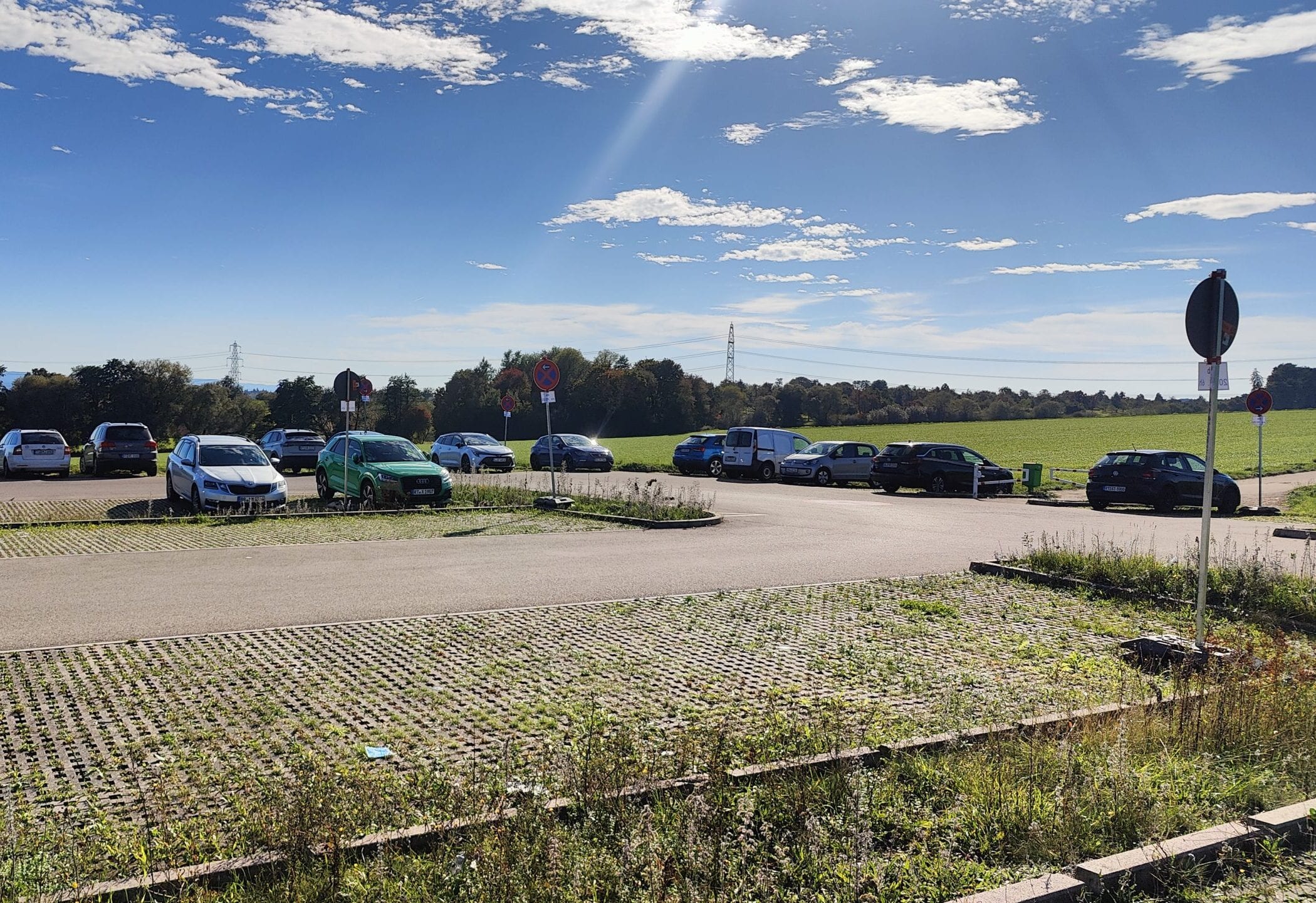
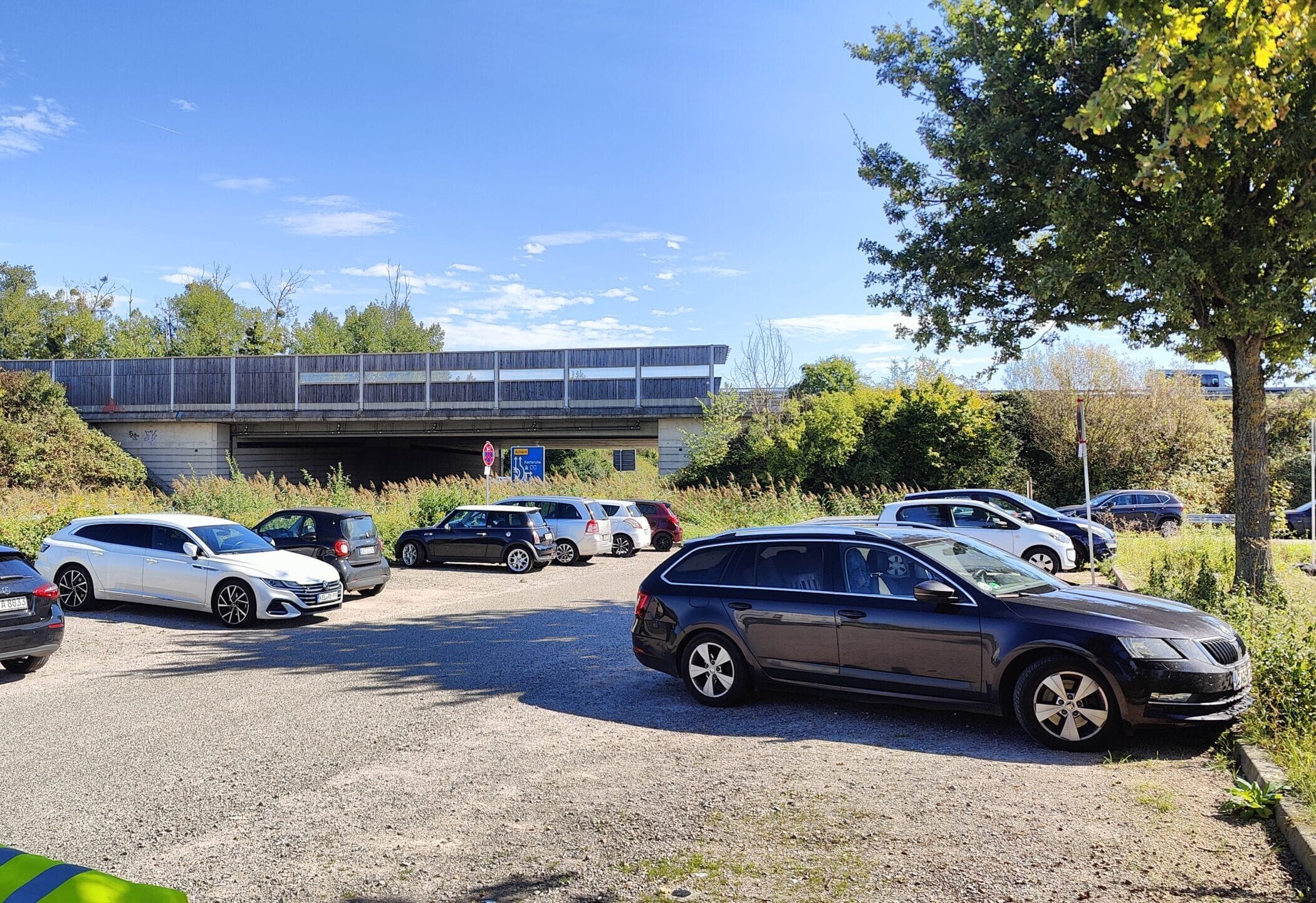
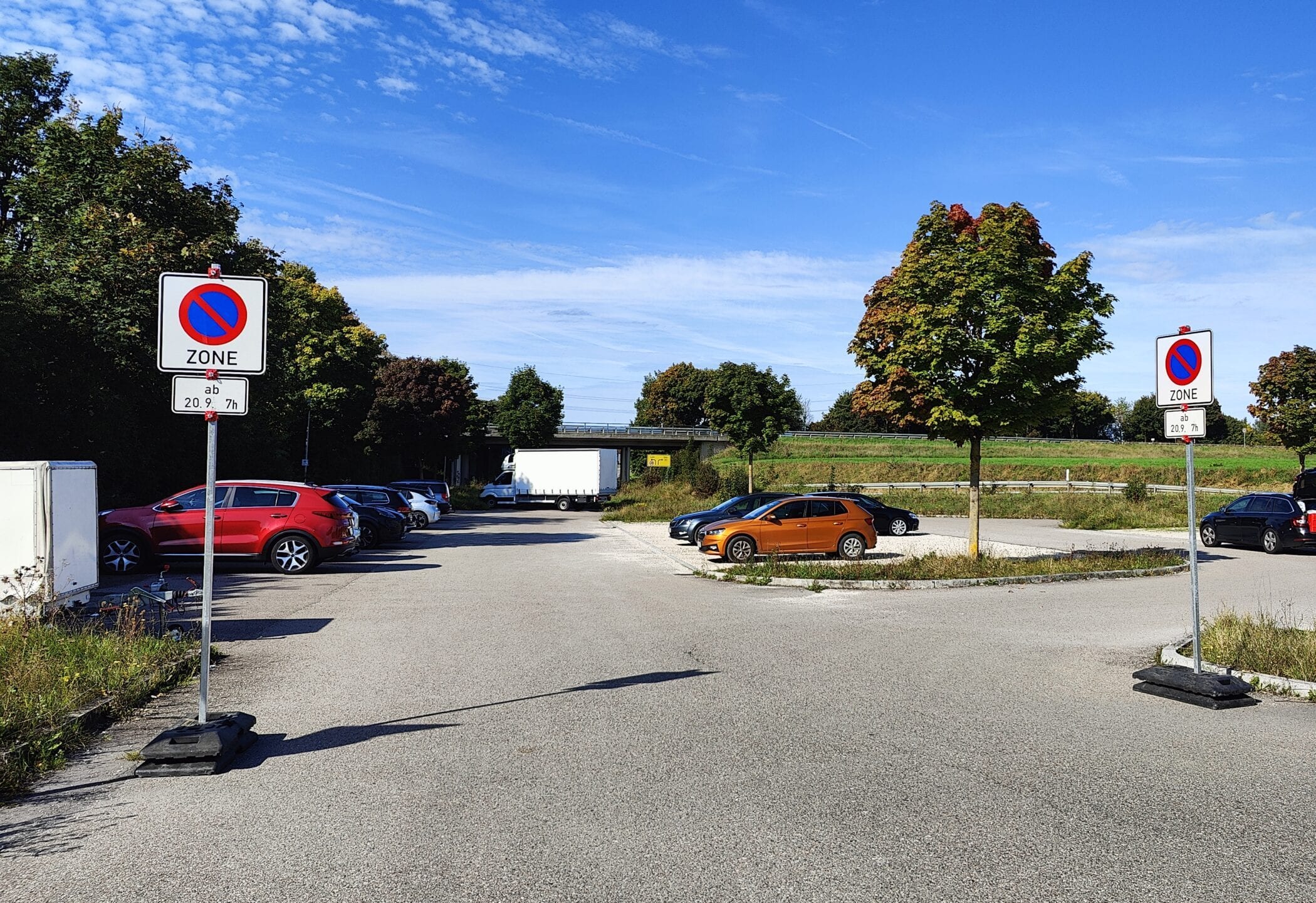
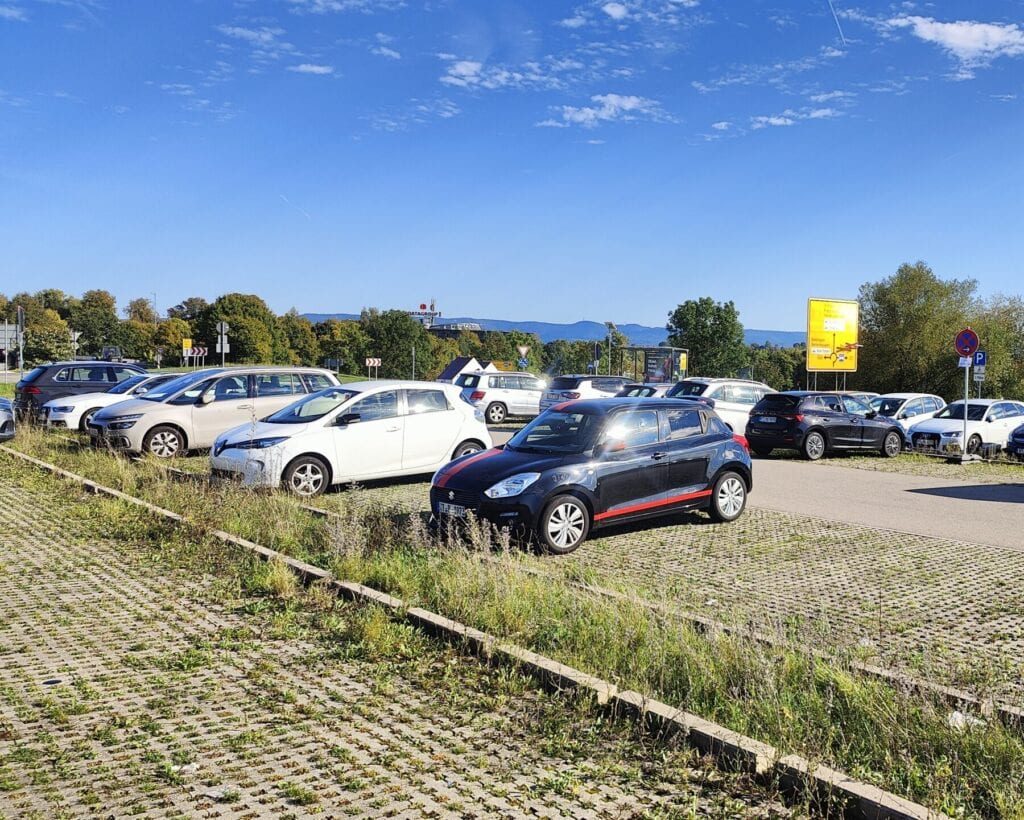
The locations presented several practical challenges. They are situated close to motorway junctions and federal road exits, with surfaces ranging from tarmac and gravel to grass paving. Parking spaces are not always marked, trees are present at some locations, and most of the sites have no access to a fixed power supply.
The system therefore needed to operate reliably across seven different locations, each with its own layout and physical conditions, while requiring minimal infrastructure and on-site intervention.
The solution
Sensade installed 571 wireless NB-IoT sensors across the seven carpool sites. The sensors operate independently of a fixed power supply and could be installed without the need for extensive changes to the existing infrastructure.
The sensors register whether parking spaces are occupied or available, including at locations with unmarked or irregular spaces. They are designed to operate in changing weather conditions and temperatures ranging from -30 °C to +50 °C, as well as across different surface types.
Parking data is transmitted to a cloud platform and made available through MobiData BW, Baden-Württemberg’s open data platform, and the VerkehrsInfo BW app. Commuters can therefore check parking availability at the seven locations before starting their journey.
The system operates automatically around the clock without the use of cameras or the collection of personal data.
The impact
The Ministry of Transport now has continuous occupancy data from all seven carpool sites. This provides a clearer picture of how the locations are used over time and creates a better data basis for managing existing capacity and planning future parking infrastructure.
For commuters, current information on parking availability is accessible through existing digital platforms before they travel to a carpool site. This makes it easier to see whether parking is available and plan the journey accordingly.
By making carpool parking more transparent and easier to use, the solution also supports Baden-Württemberg’s wider work with shared mobility and more efficient use of existing transport infrastructure.
Reliable parking data across different locations
The seven carpool sites differ in layout, surface type and access to infrastructure. Despite these differences, the same sensor solution can be used across all locations without requiring a fixed power supply or extensive changes to the sites.
This gives Baden-Württemberg a consistent source of parking data across very different environments and provides a solution that can be extended to additional locations if required.
The results
- Real-time availability data for commuters
- Integration with MobiData BW and the VerkehrsInfo BW app
- Reliable detection across unmarked, off-grid, mixed-surface environments
- Automatic operation without a fixed power supply
- No cameras or collection of personal data