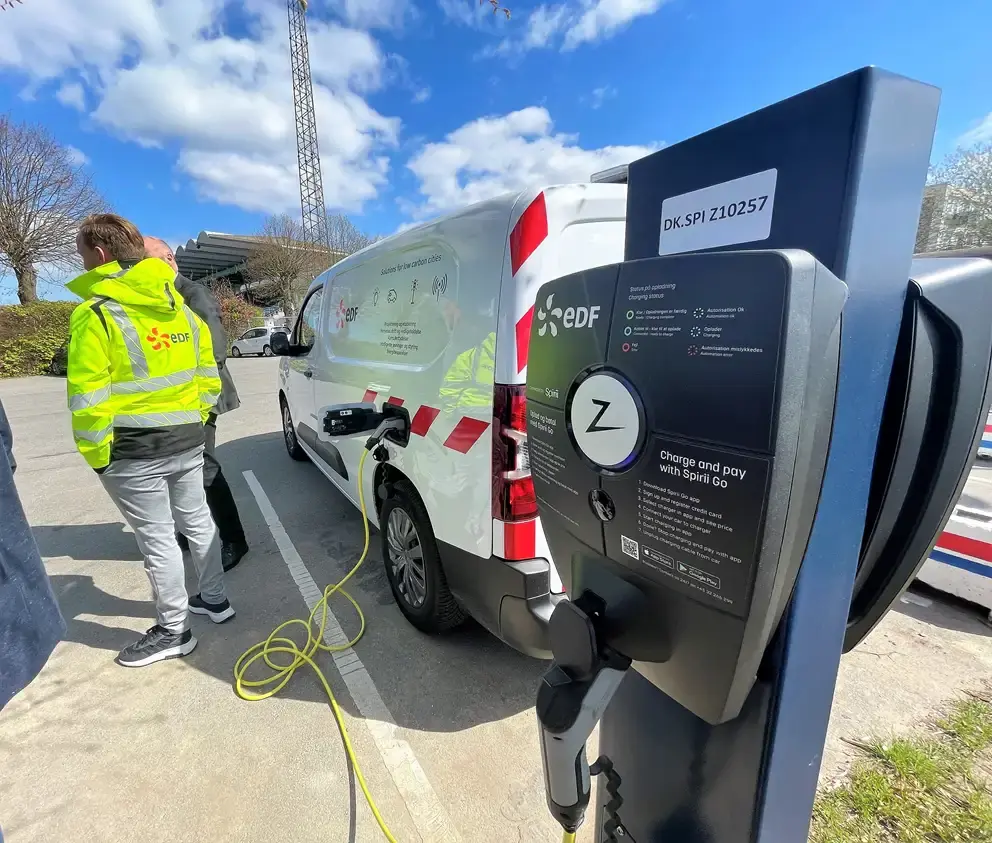
A charging point shown as available is not necessarily free to use. A vehicle may be parked in the charging space without actively charging, while the charging system still registers the space as available.
For EDF Power Solutions, this created a gap between the information available to EV drivers and the actual occupancy of the charging spaces. Together with Sensade, EDF set out to provide a more accurate picture of availability across its charging locations in Aarhus.
The challenge
EDF Power Solutions operates a network of public EV charging locations across Aarhus. Availability was previously based primarily on charging-session data. If no active charging session was detected, a charging point could appear as available even when a vehicle was physically occupying the space.
This meant that the availability shown to EV drivers did not always reflect the actual situation at the charging location. It also made it more difficult to understand how the spaces were being used, identify misuse and assess demand for future charging infrastructure.
The partnership
To address this challenge, EDF Power Solutions partnered with Sensade, combining EDF’s experience in EV charging with Sensade’s sensor technology and experience in parking data.
The aim was to supplement existing charging-session data with information about whether a vehicle was physically occupying the space. This would allow availability information to better reflect the actual situation at each charging location.
The solution
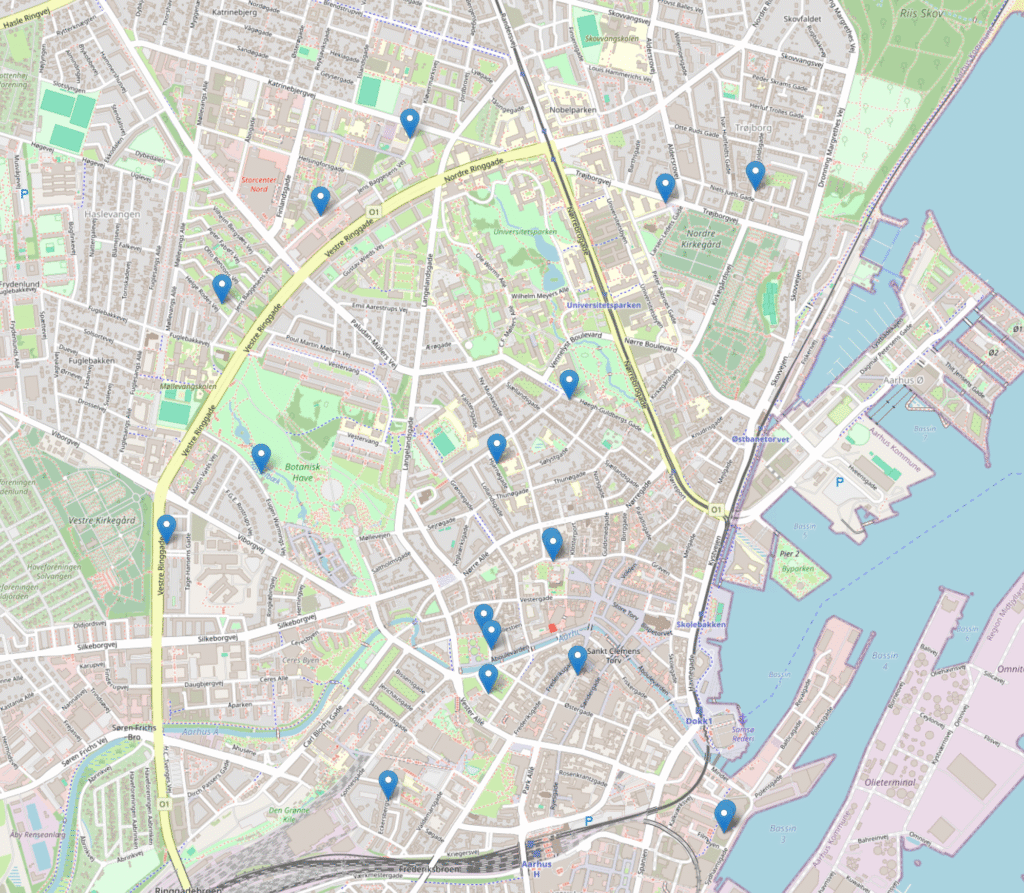
Sensade installed 38 wireless parking sensors across seven EDF Power Solutions charging locations in Aarhus. Each sensor detects whether a vehicle is physically occupying the space and transmits the data via NB-IoT.
By combining occupancy data from the sensors with EDF Power Solutions’ existing charging-session data, the system can distinguish between a space that is actively being used for charging and one that is occupied by a vehicle that is not charging.
The data is brought together in a Sensade dashboard, giving EDF Power Solutions and Aarhus Municipality a clearer overview of occupancy and charging activity across the locations. This makes it possible to monitor how the charging spaces are actually being used and provides additional data for future planning.
The impact
For EV drivers, the combination of charging-session and occupancy data provides more accurate information about whether a charging space is actually available. This reduces the risk of arriving at a charging point that appears available digitally but is occupied by another vehicle.
For EDF Power Solutions, the additional occupancy data provides a clearer picture of how the charging locations are being used, including spaces occupied by vehicles that are not charging.
Aarhus Municipality can also use the data to better understand the use of charging infrastructure and identify patterns related to occupancy, misuse and demand. This provides a stronger foundation for planning future charging infrastructure.
A foundation for future expansion
By combining sensor data with existing charging-session data, EDF Power Solutions gains a more complete picture of how its charging locations are used.
The solution can be extended to additional charging locations, providing the same occupancy data and creating a consistent basis for monitoring and planning as the charging network develops.
The results
- 38 sensors across seven EDF Power Solutions charging locations in Aarhus
- More accurate real-time availability data
- Improved overview of charging-space occupancy
- Occupancy and charging-session data combined in one solution
- Additional data for future charging infrastructure planning